“This museum is personal. It’s the first in the country to tell our stories – not just the bricks and buildings but the people who made public housing, home. We’ve always had a voice. Now we have a place that listens.”
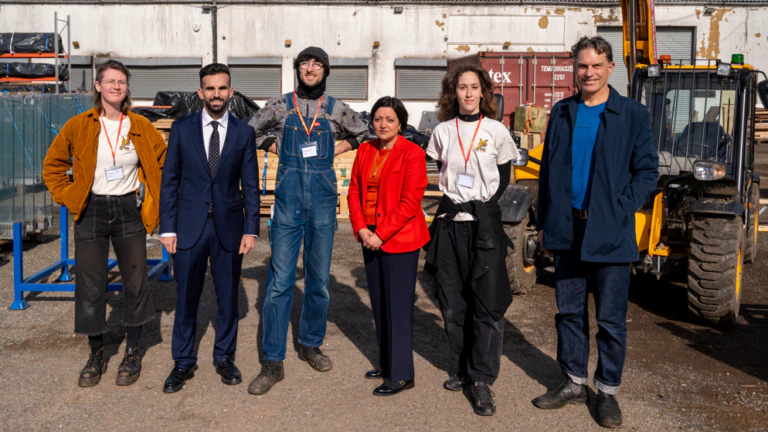
This testimony is from Francine Washington, a board member of the National Public Housing Museum, which opened in Chicago in April. It was founded by residents such as Washington who grew up in public housing but felt their stories were not being told.
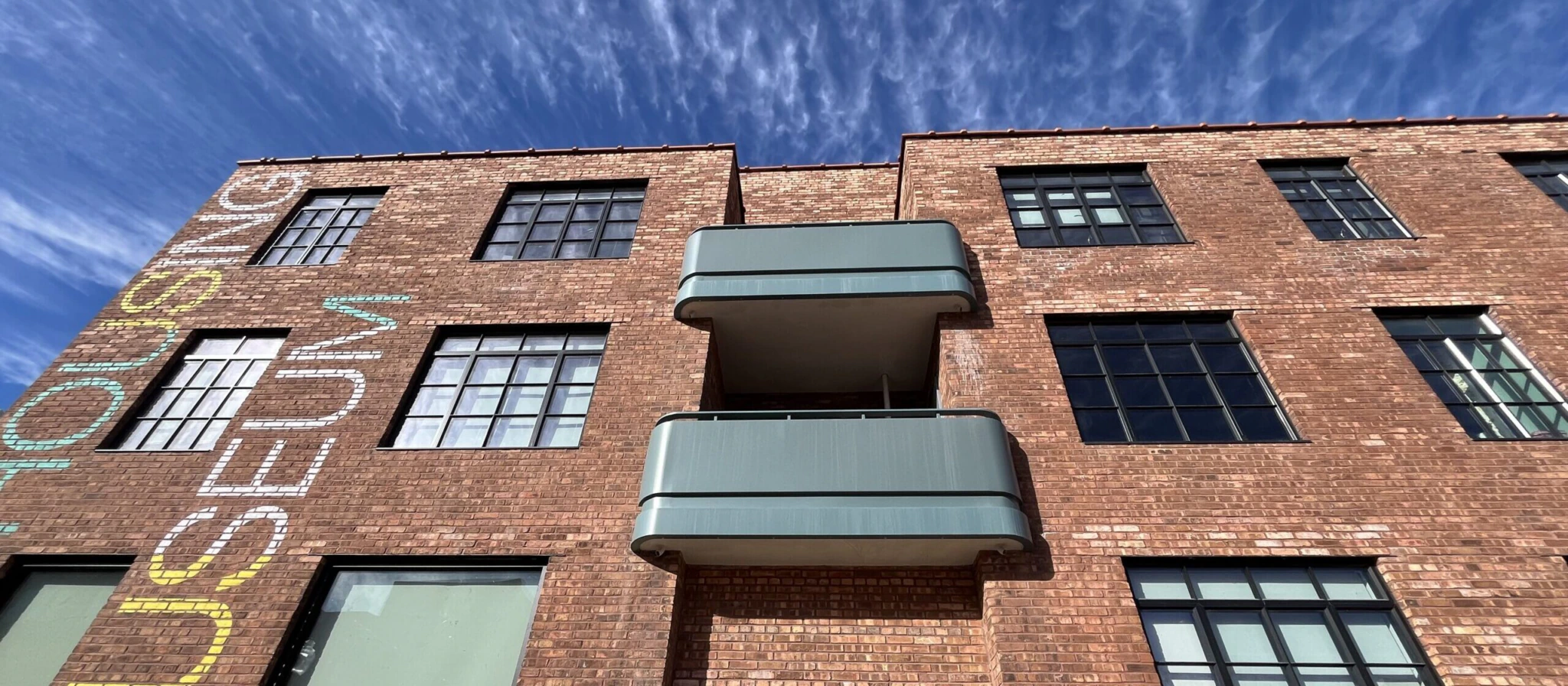
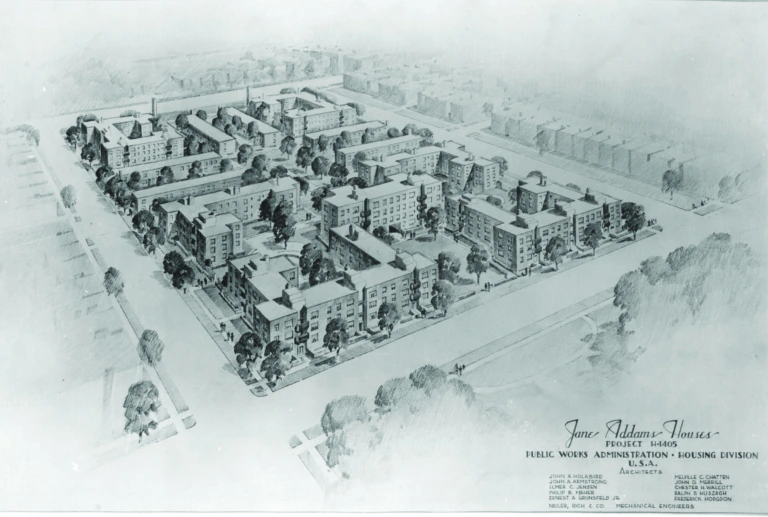
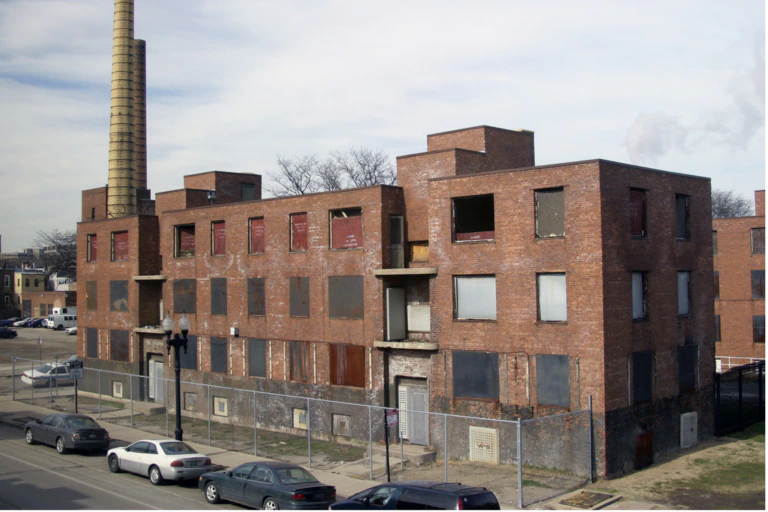
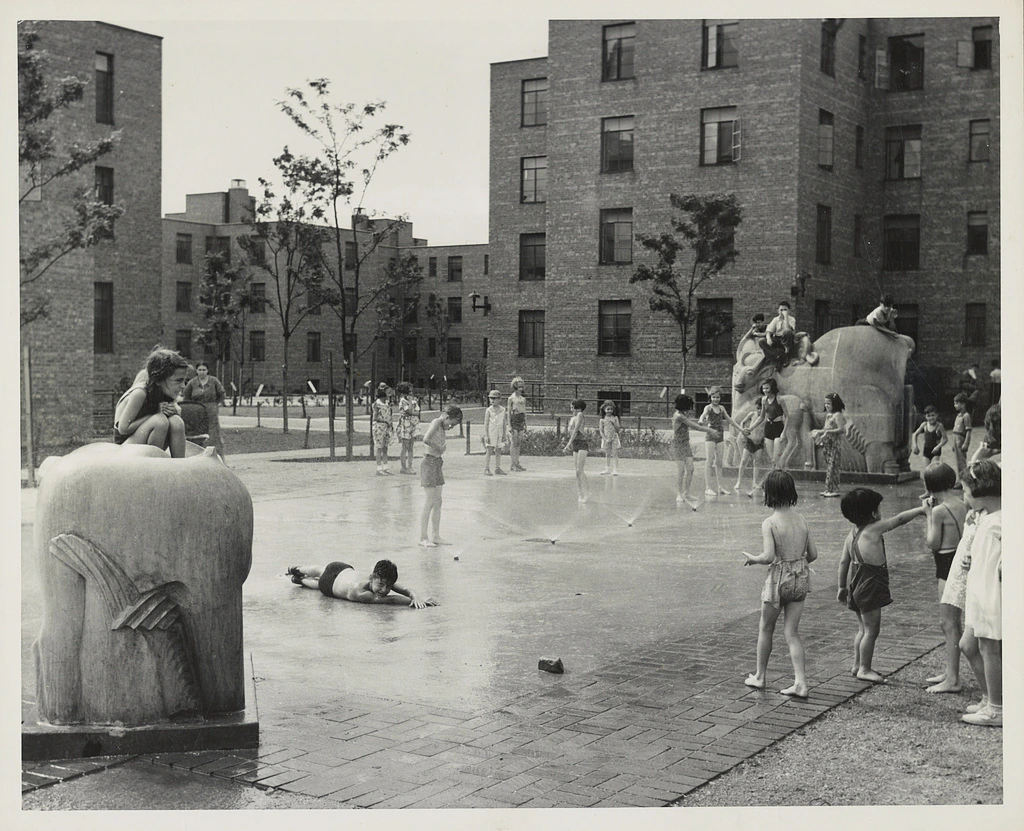
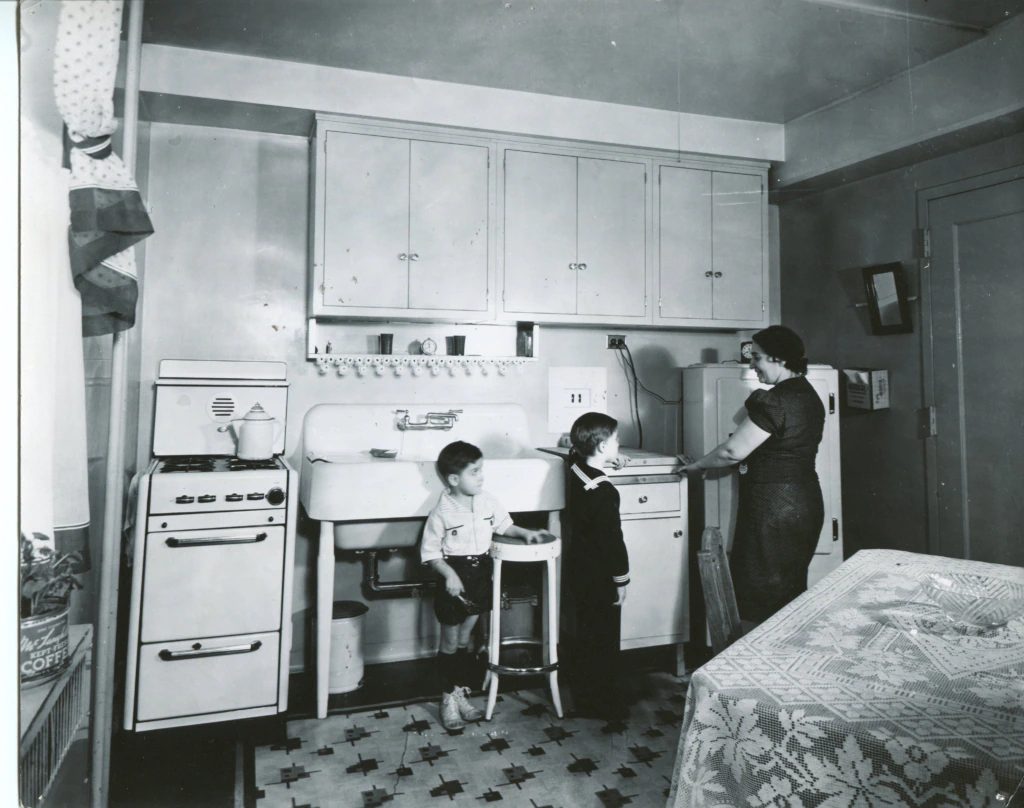
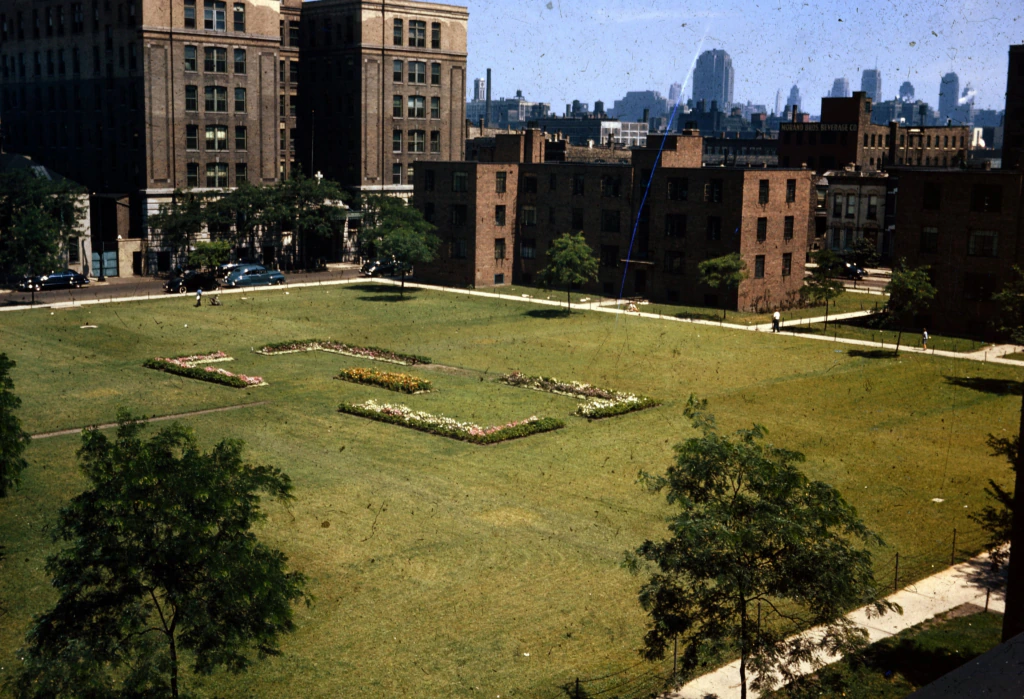
The museum is on Chicago’s near west side in the last remaining building of the Jane Addams Homes, which were built in 1938 and were among the first examples of public housing in the US. At one time, there were 32 buildings, with nearly 1,000 apartments and 52 row houses.
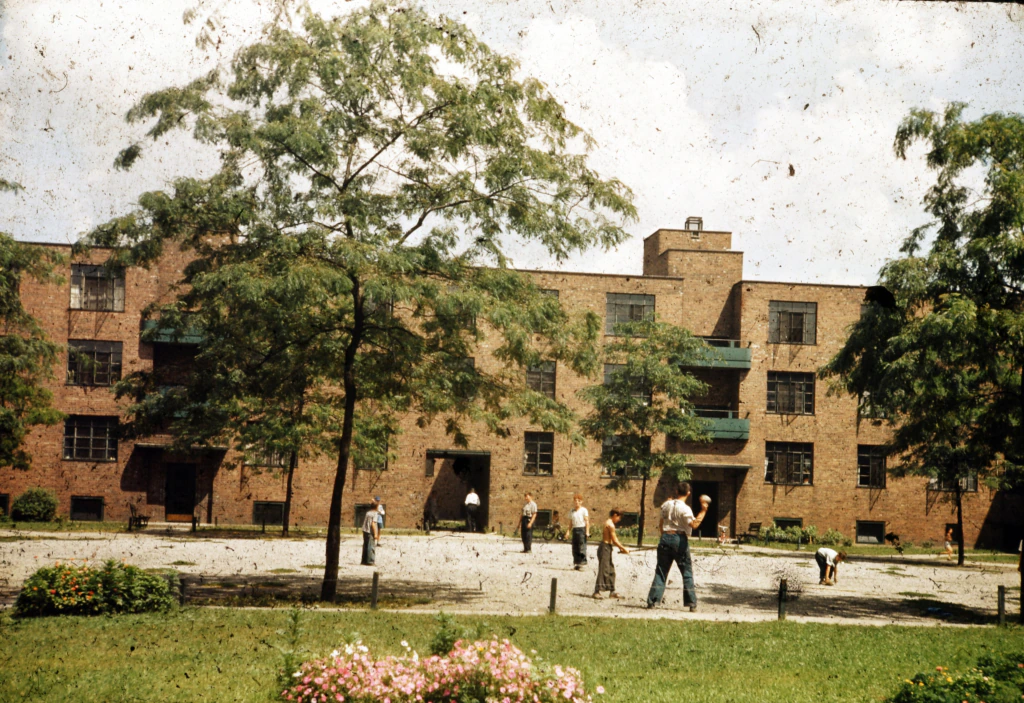
The Jane Addams Homes housed tens of thousands of working-class residents, but later endured decades of escalating problems, including neglect, disrepair and violence. The last residents moved out in 2002 and the buildings, save the one now used by the museum, were all later demolished.
The museum is based on the belief that housing is a human right and that the activism of residents has much to teach others. Staff at the organisation feel this is particularly important at a time when housing insecurity is such a critical issue for many in the US. Over the past century, more than 10 million people across the country have lived in public housing.
Advertisement
Museums Journal spoke to Lisa Yun Lee, executive director and chief curator of the National Public Housing Museum, about the development.
How is public housing viewed in the US today?
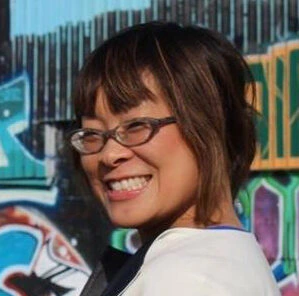
Lisa Yun Lee
In the prevailing ahistorical mainstream narrative, largely built on stereotypes and myth, public housing is a failed social policy. Due to a deeply racialised history, public housing and the people who live there have been regarded with suspicion and resentment.
More than 40 years ago, at a campaign rally in 1976, US president Ronald Reagan introduced the term “welfare queen” into the public conversation about poverty, and this pernicious caricature has persisted.
The mythical figure of someone living large and benefiting from government handouts has frequently eclipsed the glaring reality of families deeply in need of support, living in poverty due to misfortune, the injustices of capitalism, and the long-term effects of racism.
Advertisement
When you listen, really listen, to the stories of public housing residents, however, and care to linger in the history, you can start to understand the proud and important commitment of the US government’s mandate to provide “a decent home and suitable living environment for every American family” (the exact words used in the National Housing Act) and why there was the need to build subsidised housing for millions of Americans devastated by the great depression.
We also begin to understand the differences between the resilience and resistance of the people who lived in public housing from the systems of racial and economic injustice that informed failed policies.
The work of the National Public Housing Museum includes a call to our nation to have a more inclusive story about the history of public housing so that it can inform our collective future about housing insecurity and injustice, which is one of the most pressing and urgent issues of our current day.
What role did activism play in developing the museum?
The museum is a movement. It began as an organised effort by public housing residents, led by the indefatigable commissioner Deverra Beverly (she died in 2013), a founding board member of our institution.
Advertisement
Public housing residents insisted on a museum that would preserve and tell their stories, particularly after a devastating period of urban renewal that dramatically erased many of their homes.
We began with story circles and collecting oral histories, which were all forms of activism to resist erasure. Telling the stories of collective joy along with the struggles, to counter the mainstream narrative was also an act of resistance.
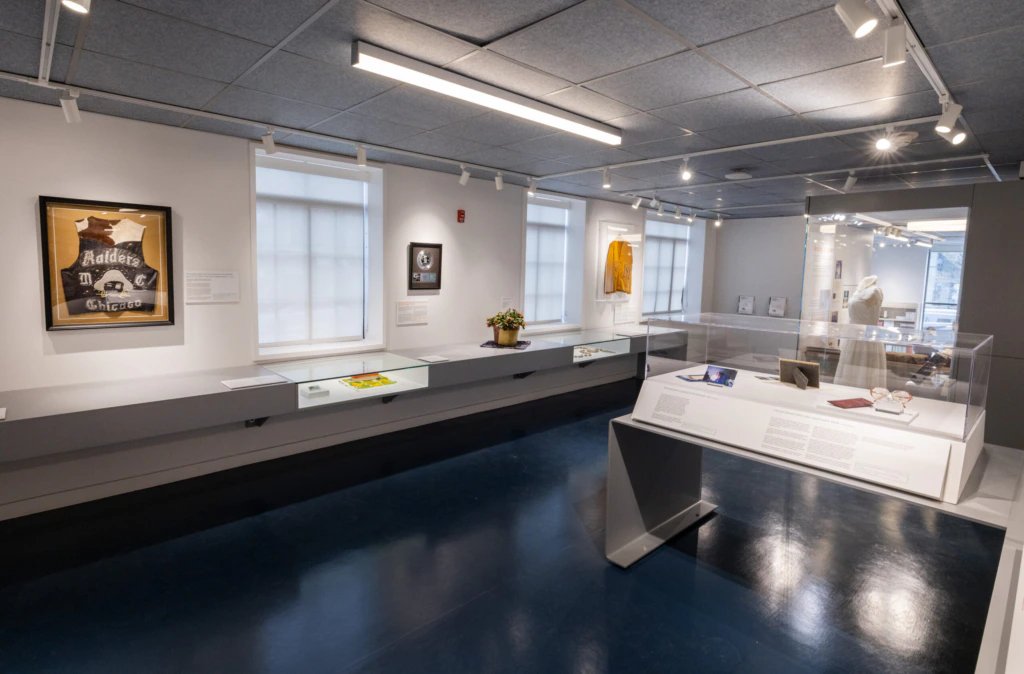
The imagining and realisation of this museum includes exhibits co-curated with public housing residents, world-class public art installations, vibrant programming space with an artist residency, a community oral history archive and a podcasting studio, a museum store that is a co-operative owned by public housing residents, a Cultural Workforce Development programme to diversify the museum field, and 15 units of affordable housing in the back of the building –this demanded activism.
We needed to build a broad-based coalition of supporters for the museum that included preservationists, interdisciplinary scholars, housing advocates, urban planners and museum professionals – they all contributed to the movement that helped to realise this museum.
How are ideas of social justice and human rights represented in the museum?
The right of all people to a place to call home and the commitment to housing as a human right is the foundation of every exhibit and every experience at the museum.
Working with activists and housing advocates throughout the 18 years leading up to the opening kept us centred on our mission. It was very important to all of us planning the museum and curating the exhibits to make sure that we told the most capacious story of public housing possible that included as many voices as possible. This means visitors will be confronted with difficult and compelling stories, along with stories filled with collective joy, wonder and beauty.
There’s also the Doris Conant Advocacy Space, a dedicated gallery that connects the history and experiences visitors have in the museum to social justice campaigns happening across the country. Under the banner Demand the Impossible, it aims to inform and inspire our visitors to join in creating a shared future where housing is a human right.
Then, our Cultural Workforce Development programme addresses systemic and structural barriers to education and training. Through the programme, we offer training and professional development opportunities and create supportive environments that help people in our public housing community to improve their skills and knowledge.
We’ve hired several graduates of the programme as educators and visitor engagement staff. Their strengths as culture bearers become central to our storytelling around the history and future of housing.
How does the museum communicate the importance of place and memory in the context of public housing?
As a member of the International Sites of Conscience, the National Public Housing Museum is committed to the power of place and memory and the core belief that history and memory must inform social change.
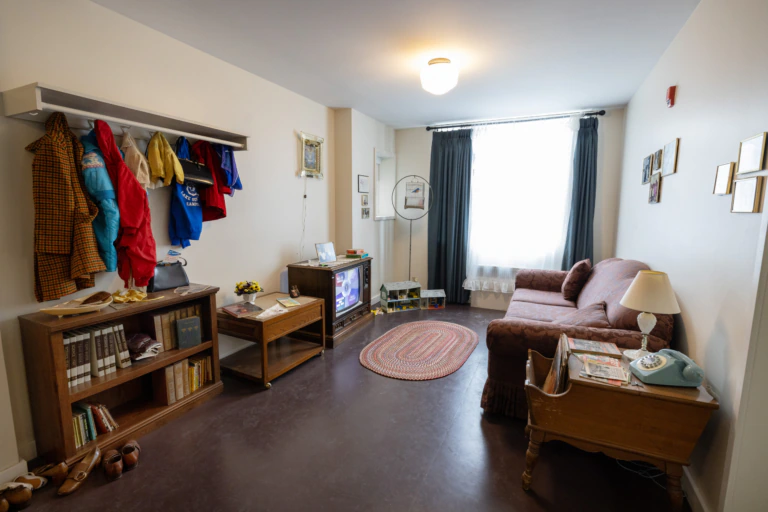
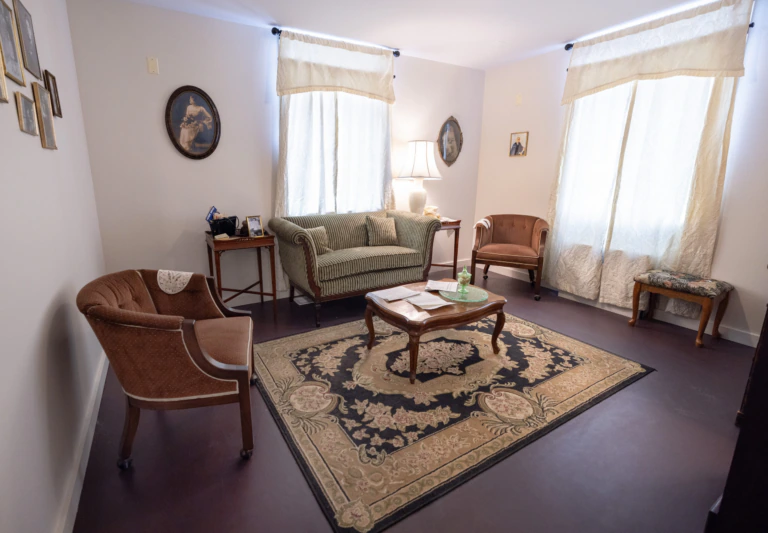
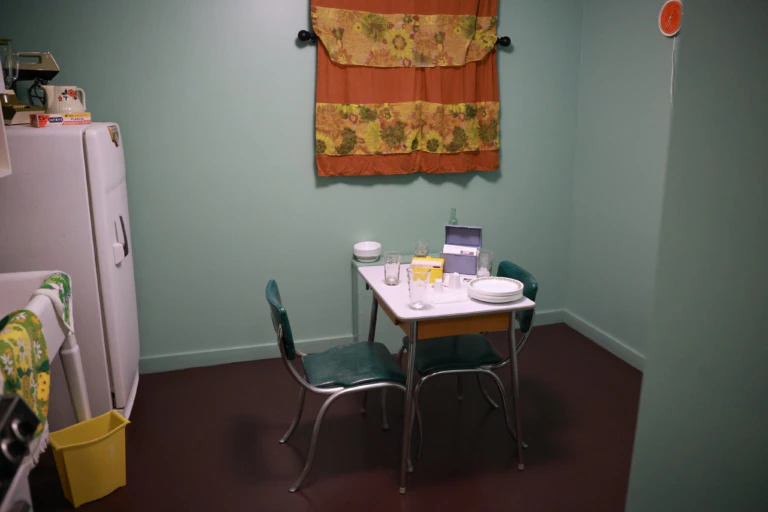
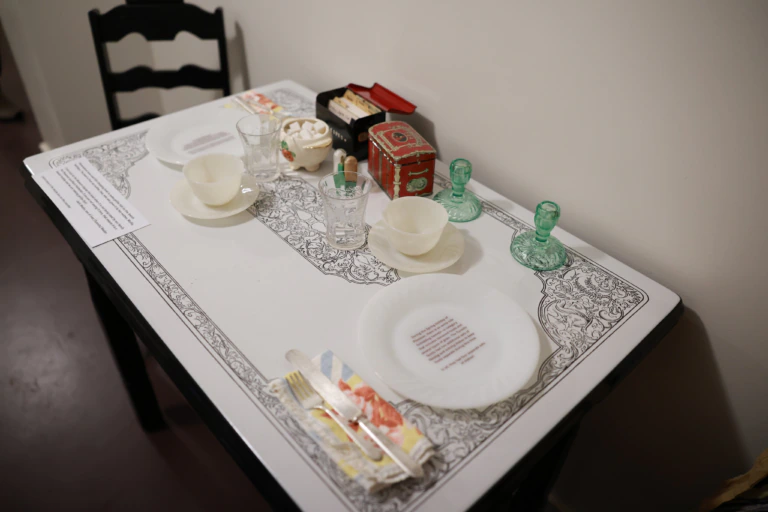
The three restored historic apartments are the heart of the visitor experience, which are based on multi-year oral history projects with families who once lived here in the Jane Addams Homes. The apartments offer lovingly curated historical vignettes along with original oral history recordings, music, family artefacts and personal photos.
Listening to the voice of Inez Turovitz in her apartment and hearing her loved ones describe their memories is so moving.
The apartments can only be accessed as part of a guided tour, but they are also highly interactive. Visitors can explore on their own and open closet doors, play records, flip through a war ration booklet, sit on the couch and try a bit of peanut brittle.
These types of interactive experiences may lead visitors to remember their grandparents’ or their own comforts of home, as well as help them to then connect with what it meant to live in public housing in the 1930s or 1950s or 1970s, and then finally to understand the impact of national housing policies on individuals and communities.
Elsewhere, we have preserved objects salvaged from the Jane Addams Homes – a medicine cabinet, mailbox, signs, coat hooks, an intercom – that serve as a constant reminder that our museum building used to be domestic spaces, homes where people once lived and loved.
Together, the artefacts and stories ensure the museum is a place for a multitude of voices that counter the idea that there is only a history of failure – only one history of public housing.
Why is it important to tell an inclusive and diverse history of public housing?
The writer Chimamanda Ngozi Adichie has reminded us of the following: “When we reject the single story, when we realise that there is never a single story about any place (or person), we regain a kind of paradise.”
This museum is a call to our nation to tell a more inclusive and diverse history, because that is what our American democracy and the people deserve. Challenging myths and stereotypes about the history of our communities is critically important to create a future where all can thrive.
What key contemporary issues do you hope to explore at the museum?
The National Public Housing Museum is not just a house museum for thousands of public housing residents, or a museum of 20th-century history. It is also a space for music and popular culture, it’s a contemporary art gallery and a place to gather for conversations.
And through our programming and rotating exhibits we’ll continue to explore issues around housing policies and practices. These topics can be expansive – we take inspiration from posters we display from the Works Progress Administration [the WPA was an employment and infrastructure programme set up by President Franklin Roosevelt in the 1930s].
These posters convey the idea that access to housing is also tied up with issues of public safety, wellness, public education, economic mobility and health.
More concretely, an annual Case Studies exhibition and related symposium bring scholars and advocates together to examine creative commitments to public housing across the US, as well as share knowledge of current practices more broadly. The first iteration unpacks the financial manoeuvres needed to renovate a public housing complex in Cambridge, Massachusetts.
Our Artist as Instigator residency offers a platform for artists to explore issues impacting their communities and make creative policy interventions. Current artist in residence Natasha Florentino is working on a documentary project that explores the power dynamics behind displacement.
For nearly 20 years, the National Public Housing Museum has offered programming like this from temporary spaces and through collaborative partnerships. It’s just such an exciting moment to now have a permanent home.
This is a place where we can fully draw on the power of place and memory to produce programmes and host events that leverage arts, culture and storytelling to impact public policy. We look forward to continuing to realise that potential together with our extended community and by engaging visitors in explorations of the provocative ideas of contemporary artists, scholars and organisers.
Lisa Yun Lee is the executive director and chief curator of the National Public Housing Museum
Project data
Cost
$16m
Main funders
City of Chicago Department of Cultural Affairs and Special Events CityArts Programme; Illinois Arts Council Agency; Kresge Foundation; Institute of Museum and Library Services; Polk Bros Foundation; Mellon Foundation; Good Chaos; Gaylord and Dorothy Donnelley Foundation; MacArthur Foundation; Joyce Foundation; Terra Foundation for American Art; National Endowment for the Humanities; National Endowment for the Arts
Design
LBBA
Exhibition design
Amy Reichert Architecture + Design
Lobby and media wall design
Local Projects
Case Studies exhibit design
MTWTF
Museum store design
Civic Projects Architecture
Exhibition production
Ravenswood Studio
Construction
GMA
Admission
Free (except for guided tours)